Roots of tribal gaming in U.S. traced back to bingo halls
Tribal gaming's rise is linked to small bingo games on the Oneida reservation in Wisconsin in 1976 and later court battles that reshaped sovereignty and regulation.
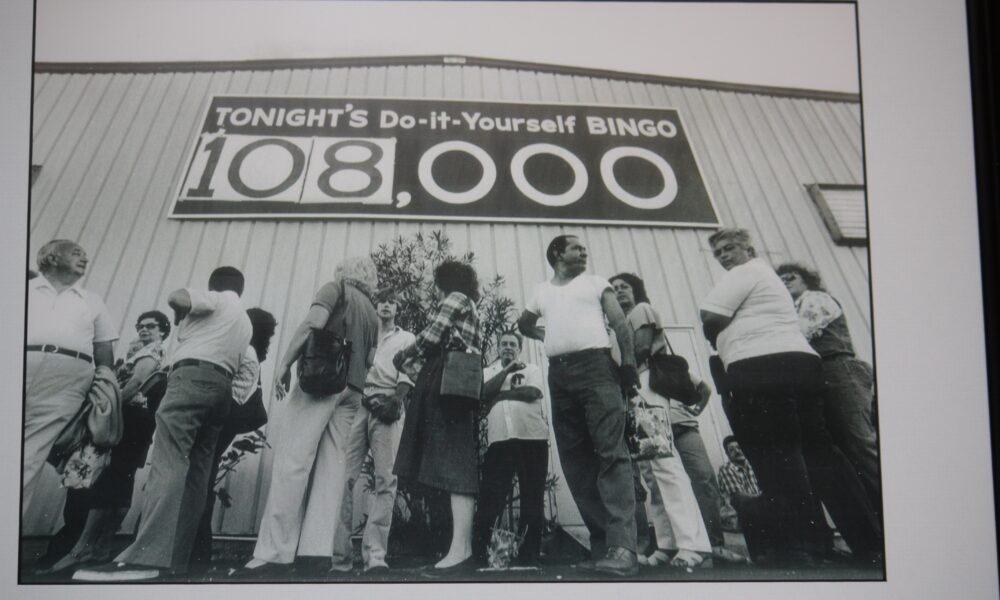
The Oneida Tribe's reservation west of Green Bay, Wisconsin, hosted a bingo game in 1976 started by Sandra Brehmer and Alma Webster. What began in a gymnasium with fewer than 50 players and jackpots around $100 grew into a tribal gaming industry worth more than $46 billion in 2025. A 1981 ruling, Oneida Indians of Wisconsin v. State of Wisconsin, helped block efforts to ban tribal bingo in the state.
The Seminole Tribe of Florida began offering bingo in 1979 and prevailed in Seminole Tribe v. Butterworth, while California's Morongo and Cabazon tribes won California v. Cabazon Band of Indians. Those cases cited tribal sovereignty and limited state authority under Public Law 280. Morongo Chairman Emeritus Robert Martin said the tribe now employs over 2,500 people and affects the local community by around $3 billion.