Midterm elections could test how heavy trading on prediction markets affects races and results
Election-season trading on prediction markets is surging as states and election officials weigh whether the platforms are unlicensed gambling and how they could affect races.
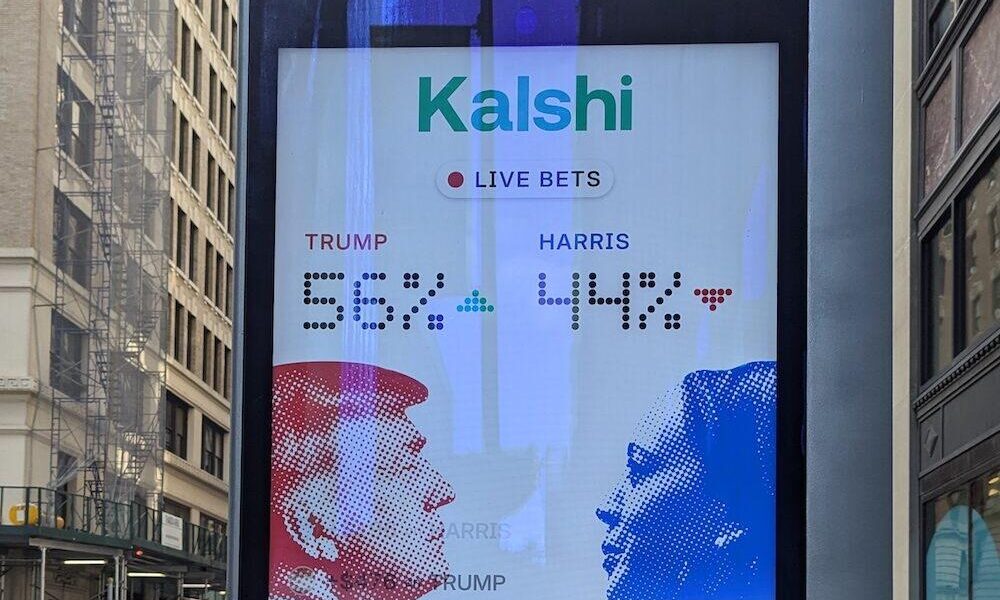
Trading on prediction markets such as Kalshi and Polymarket has risen sharply during the 2026 midterm campaign, with billions potentially traded on control of Congress and governorships. State regulators are pursuing litigation or bans under gambling laws, and roughly half the states have statutes barring election betting. Courts are unlikely to resolve the disputes before the election.
Election administrators, including Maryland's Jared DeMarinis and Delaware County, Pennsylvania's Jim Allen, are considering oaths or education efforts to keep market odds from being confused with polls or vote counts. Kalshi and Polymarket deny they are gambling and compare their contracts to stock hedging; Kalshi says it suspended and fined North Carolina congressional candidate Laurie Buckhout for trading on her own race. Critics such as Better Markets' Ben Schiffrin warn that wealthy partisans could bid up a candidate's odds to sway opinion or fundraising, while Kalshi's Rick Heaslip says liquid markets would quickly correct manipulation.